Loading...
Chandipura virus
Resource
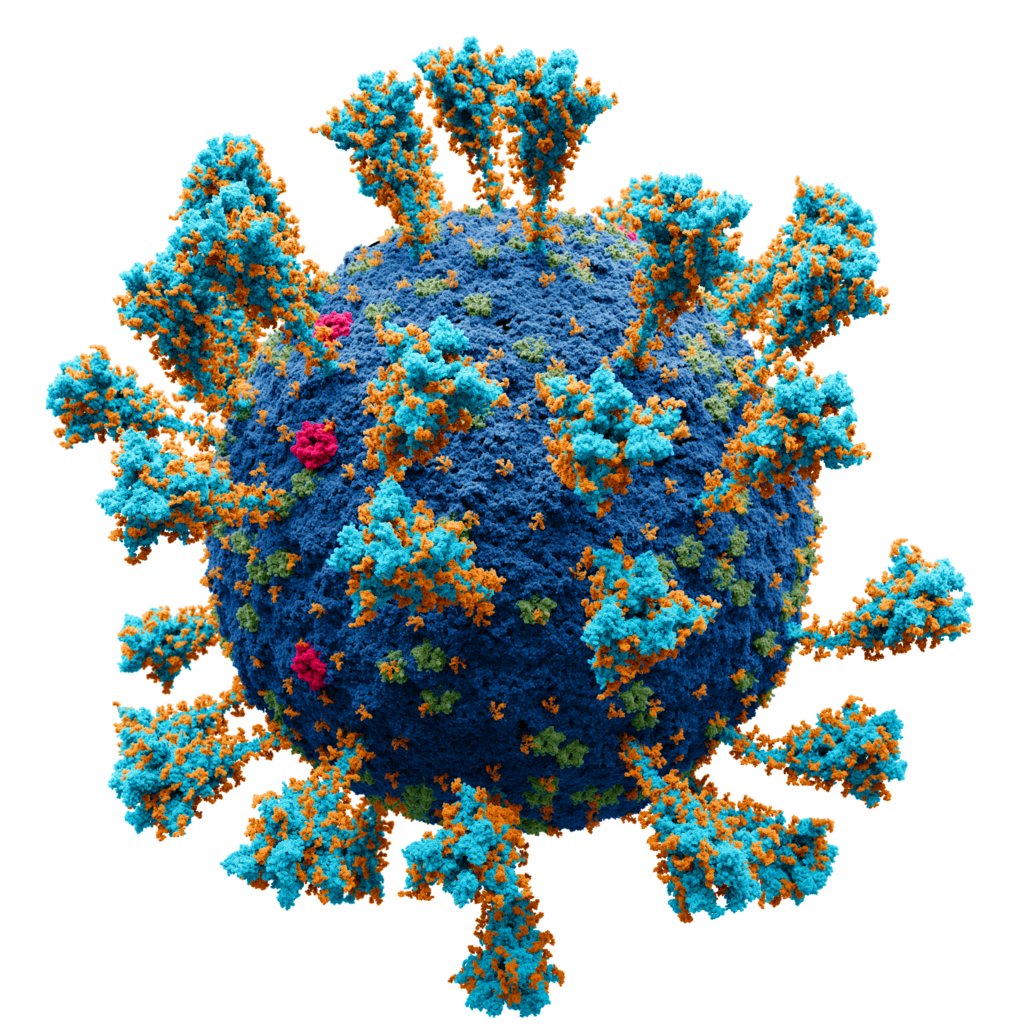
- The Chandipura virus (CHPV) is a member of the Rhabdoviridae family and belongs to the Vesiculovirus genus. It is an enveloped, negative-sense single-stranded RNA virus with a genome of approximately 11 kilobases, encoding five essential proteins: N, P, M, G, and L.
- First identified in 1965 in Chandipura village, Maharashtra, India, the virus has since been recognized as a significant cause of viral encephalitis, particularly in central India. It has also been isolated in West Africa, indicating a broader geographic footprint.
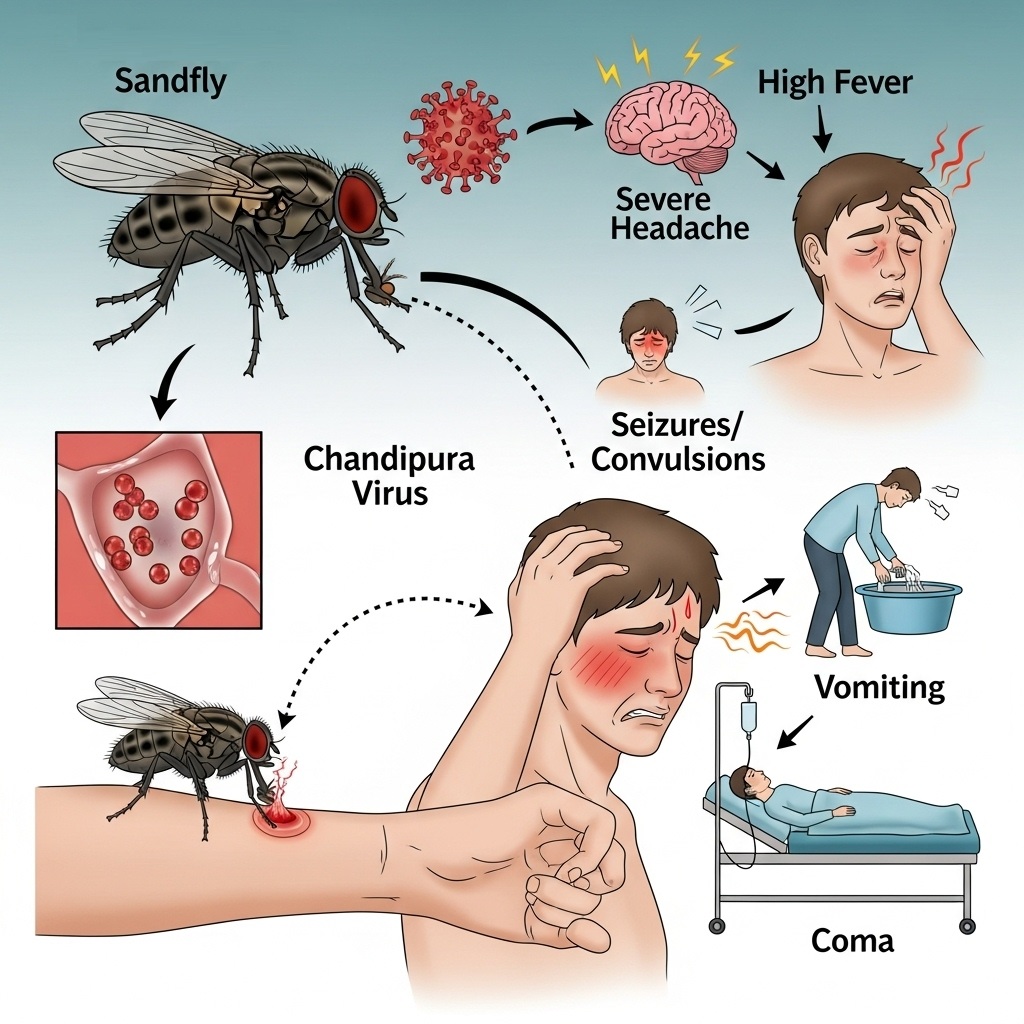
- CHPV is primarily transmitted through sandflies, especially Phlebotomus papatasi, although mosquitoes like Aedes aegypti and ticks have also been implicated. Outbreaks tend to occur during the monsoon season when vector populations surge, particularly in rural and tribal regions where environmental conditions favor sandfly breeding.
- Clinically, the virus presents with a rapid onset of high fever, severe headache, and muscle pain. In children—who are especially vulnerable due to lower immunity—the disease can quickly progress to seizures, altered consciousness, coma, and death. The virus targets the central nervous system, causing acute encephalitis.
- Currently, there is no specific antiviral treatment or vaccine available, and management is limited to preventive and supportive care.
- The CHPV-RES portal provides information regarding predicted host-virus interactions, associated networks / pathways and potential drugs which may prove beneficial for the management of the virus.